
Miso Udon Noodle Soup—just uttering those words brings to mind a steaming bowl of comfort, rich with savory flavors and delightfully chewy noodles. Have you ever craved a dish that simultaneously warms your soul and excites your palate? This classic Japanese staple is precisely that. Rooted in centuries of Japanese culinary tradition, miso, a fermented soybean paste, offers an unparalleled depth of umami, while thick, satisfying udon noodles provide a delightful chewiness that makes every slurp a joy. I find myself reaching for this recipe often, especially when I need a moment of delicious solace.
What makes this Miso Udon Noodle Soup so incredibly beloved? It’s the perfect harmony of simple, wholesome ingredients transforming into something truly extraordinary. The delicate yet robust broth, infused with the distinct flavor of miso, perfectly coats the plump udon noodles, creating an experience that is both nourishing and incredibly satisfying. Whether you’re seeking a quick weeknight dinner, a comforting meal to banish a chill, or simply a taste of authentic Japanese flavors, this recipe delivers.
Get ready to discover your new favorite go-to comfort food.

Ingredients:
- For the Dashi Broth:
- 6 cups (about 1.4 liters) filtered water – Using filtered water ensures a cleaner, purer flavor for your Miso Udon Noodle Soup.
- 1 piece (4×4 inches or 10×10 cm) dried kombu (kelp) – Look for high-quality kombu, often found in Asian markets, for the best umami base.
- 1/2 cup (about 10-15g) katsuobushi (dried bonito flakes) – These add a smoky, savory depth that is characteristic of authentic Japanese broths.
- For the Miso Base:
- 1/4 cup white or awase miso paste – White (shiro) miso is milder and sweeter, while awase miso offers a balanced flavor, perfect for a universally appealing Miso Udon Noodle Soup.
- 1-2 tablespoons mirin (Japanese sweet cooking wine, optional) – This adds a subtle sweetness and glossiness, enhancing the overall depth of flavor.
- 1-2 tablespoons soy sauce (or tamari for gluten-free) – Essential for adjusting the saltiness and adding another layer of umami.
- For the Udon Noodles:
- 2 servings (about 400g total) fresh or frozen udon noodles – Fresh udon cooks quickly and has a wonderfully chewy texture; frozen is a great convenient alternative.
- For the Vegetables & Protein:
- 1 tablespoon neutral cooking oil (like vegetable or canola oil) – For sautéing your aromatics and vegetables.
- 1/2 medium yellow onion, thinly sliced – Adds a foundational sweetness and aromatic depth.
- 1 medium carrot, peeled and thinly sliced into rounds or half-moons – For color, sweetness, and a pleasant textural contrast.
- 4 ounces (about 115g) shiitake mushrooms, stems removed and caps sliced – Earthy and meaty, they bring a robust flavor to your Miso Udon Noodle Soup.
- 4-5 ounces (about 115-140g) baby bok choy, trimmed and quartered lengthwise – Provides fresh greens and a slight crunch.
- 4 ounces (about 115g) firm or extra-firm tofu, pressed and cut into 1/2-inch cubes (optional, for added protein) – A fantastic plant-based protein that soaks up the broth beautifully.
- For Garnish (Optional but Recommended):
- 2-3 green onions (scallions), thinly sliced diagonally – Adds freshness, a mild oniony bite, and vibrant color.
- 1 sheet nori (dried seaweed), cut into thin strips or small squares – For an extra boost of oceanic umami and visual appeal.
- Shichimi togarashi (Japanese seven-spice blend), for a hint of heat – Perfect for those who enjoy a subtle spicy kick.
- A drizzle of sesame oil – Imparts a lovely nutty aroma just before serving.
Preparing the Flavorful Dashi Broth: The Heart of Your Miso Udon Noodle Soup
-
Begin with Quality Water and Kombu: To truly capture the essence of a remarkable Miso Udon Noodle Soup, we must start with an exquisite dashi broth. Pour 6 cups of filtered water into a medium-sized pot. Gently wipe your piece of dried kombu with a damp cloth to remove any impurities, but be careful not to rub off the white powdery substance – that’s where much of the umami flavor resides! Add the kombu to the pot. Using filtered water is a small but significant detail that ensures no unwanted tap water flavors interfere with the delicate taste of your Miso Udon Noodle Soup.
Pro Tip for Umami Extraction:
For optimal flavor extraction, allow the kombu to soak in the cold water for at least 30 minutes, or even longer if you have the time, up to several hours in the refrigerator. This slow infusion process helps to gently coax out the deep umami notes, forming a robust foundation for your Miso Udon Noodle Soup. This pre-soak is a secret to truly outstanding dashi.
- Gentle Heating for Maximum Flavor: Place the pot with the kombu and water over medium-low heat. Slowly bring the water to a gentle simmer. This is a crucial step; you want to avoid boiling the kombu vigorously, as this can release bitter compounds and diminish the delicate umami. Keep a watchful eye on the pot. As you start to see small bubbles forming around the edges of the pot, just before it reaches a full boil, carefully remove the kombu. It has now imparted its beautiful oceanic notes to the water. Discard the kombu at this stage, or save it for another use (like adding to rice or making a secondary dashi). This gentle heating ensures a clear, pure broth base for your Miso Udon Noodle Soup.
-
Infusing with Katsuobushi: Increase the heat slightly to bring the broth to a gentle boil. As soon as it boils, remove the pot from the heat entirely. Immediately add the katsuobushi (bonito flakes) to the hot water. The delicate flakes will dance and swirl in the residual heat, infusing the broth with their distinctive smoky, savory notes. Do not stir them vigorously, as this can break them down too much and make the straining process difficult, potentially leading to a cloudy broth. The beauty of katsuobushi is how quickly it imparts its character.
Understanding Katsuobushi’s Role:
Katsuobushi adds a layer of depth and savory aroma that is indispensable for an authentic Miso Udon Noodle Soup. Its rich flavor complements the umami from the kombu, creating a complex and incredibly satisfying broth base that is both profound and comforting. This dual infusion technique is what truly defines authentic dashi.
- Steeping and Straining Your Dashi: Allow the katsuobushi to steep in the hot broth for about 5 to 10 minutes. This duration is usually sufficient for full flavor extraction without introducing any overly fishy notes. You’ll notice the flakes will settle at the bottom of the pot, indicating they’ve given up their flavors. Once steeped, carefully strain the broth through a fine-mesh sieve lined with cheesecloth (if you have it, for extra clarity) into a clean bowl or back into the pot. Gently press down on the katsuobushi with the back of a spoon to extract any remaining liquid, but avoid squeezing too hard, which can release cloudy, bitter liquids. You should now have a beautiful, clear, and intensely aromatic dashi broth – the very soul of your Miso Udon Noodle Soup! Set this precious broth aside, keeping it warm if possible.
Assembling Your Miso Paste Mixture and Simmering Vegetables
-
Prepare Your Miso Base: In a small bowl, combine the miso paste with 1-2 tablespoons of the warm dashi broth (or just hot water if the dashi isn’t ready yet). Whisk thoroughly until the miso paste is fully dissolved and forms a smooth, lump-free slurry. If using, add the mirin and soy sauce to this mixture as well, stirring until well combined. Setting this aside for later is key, as adding miso directly to boiling broth can damage its delicate enzymes and flavor, leading to a less vibrant Miso Udon Noodle Soup. This pre-mixing step ensures smooth integration and optimal flavor.
Choosing the Right Miso:
For a Miso Udon Noodle Soup, white (shiro) miso offers a sweeter, milder flavor, making it a great choice for a lighter broth. Red (aka) miso is saltier and more robust, perfect if you prefer a bolder taste. Awase miso, a popular blend, strikes a perfect balance, offering the best of both worlds. Feel free to experiment based on your personal preference and what you have on hand – each type will yield a slightly different, yet delicious, Miso Udon Noodle Soup.
- Sautéing Aromatics and Root Vegetables: Return your main pot to medium heat. Add 1 tablespoon of neutral cooking oil. Once shimmering, add the thinly sliced yellow onion and carrots. Sauté gently for 5-7 minutes, stirring occasionally, until the onions are translucent and slightly softened, and the carrots have started to become tender-crisp. This step is crucial for developing a deeper, sweeter flavor profile from these vegetables, which will beautifully enhance your Miso Udon Noodle Soup. If you are adding tofu, you can quickly sear the pressed tofu cubes in this same pan until lightly golden on all sides, then set them aside. This creates a lovely crisp exterior that holds up well in the soup.
- Introducing Mushrooms and Bok Choy: Add the sliced shiitake mushrooms to the pot. Continue to sauté for another 3-4 minutes, until the mushrooms have softened, released their moisture, and developed their rich, earthy aromas. Finally, add the trimmed and quartered baby bok choy. Sauté for just 1-2 minutes until the bok choy leaves start to wilt slightly but still retain a vibrant green color. We want them to remain vibrant and retain a bit of their crispness in the final Miso Udon Noodle Soup, providing a fresh textural contrast. Overcooking the bok choy here will result in a soggy texture.
- Bringing the Broth to Life with Vegetables: Pour your prepared dashi broth into the pot with the sautéed vegetables. Bring the broth to a gentle simmer over medium heat. Let it simmer for about 5-7 minutes, allowing the flavors of the vegetables to meld intimately with the dashi and become wonderfully aromatic. You’ll notice the broth deepening in color and fragrance. If you seared the tofu, you can add it back into the simmering broth now to warm through and soak up the delicious flavors. This creates a deeply layered and savory base for your Miso Udon Noodle Soup.
Cooking the Perfect Udon Noodles for Your Miso Udon Noodle Soup
- Prepare Your Udon Noodles Separately: While your broth is simmering, it’s time to cook the udon noodles. It is crucial to cook udon noodles in a separate pot of boiling water, not directly in your precious dashi broth. This prevents the noodle starch from clouding your broth and ensures that your Miso Udon Noodle Soup remains clear and vibrantly flavored, truly allowing the dashi’s nuances to shine. Bring a large pot of generously salted water to a rolling boil.
- Cooking Fresh or Frozen Udon: Add your fresh or frozen udon noodles to the boiling water. Fresh udon typically cooks very quickly, usually within 1-2 minutes, until just tender but still wonderfully chewy. Frozen udon may take 2-3 minutes as it thaws and cooks. If using dried udon, always follow the package instructions precisely, as cooking times can vary (often 8-10 minutes). The goal is an al dente texture – firm to the bite but not hard, with a pleasant bounce and springiness. Undercooking slightly is always better than overcooking, as they will continue to soften slightly when combined with the hot Miso Udon Noodle Soup broth.
- Rinsing for Perfection: Once cooked to your desired al dente perfection, immediately drain the udon noodles in a colander. Rinse them thoroughly under cold running water. This step is vital for two reasons: it instantly stops the cooking process, preventing them from becoming mushy and overcooked, and it washes away excess starch from the noodle surface. This ensures they don’t stick together in the serving bowl and, most importantly, prevents them from making your beautiful Miso Udon Noodle Soup cloudy. After rinsing, shake off as much excess water as possible to avoid diluting your broth.
Bringing It All Together: Finalizing Your Miso Udon Noodle Soup
-
Adding the Miso (The Critical Step!): Now for the moment of truth for your Miso Udon Noodle Soup! Remove the pot of simmering broth and vegetables from the heat. This is paramount to preserve the delicate flavors and beneficial probiotics of the miso. Gradually whisk your prepared miso paste mixture into the hot broth. Stir gently until the miso is fully incorporated and the broth takes on a milky, opaque appearance, signaling its rich depth. Do not boil the broth after adding the miso, as high heat can destroy the miso’s unique flavor profile and its healthy enzymes, resulting in a flat and less vibrant Miso Udon Noodle Soup.
Adjusting Flavor and Seasoning:
Taste your Miso Udon Noodle Soup. This is your chance to adjust the seasoning to your exact preference. If it needs more saltiness, add a splash more soy sauce. If you prefer a slightly sweeter note to balance the savory, another dash of mirin might be in order. The flavor should be balanced, deeply savory, and incredibly satisfying. Remember, the goal is a harmonious Miso Udon Noodle Soup that tantalizes your taste buds with every spoonful. Adjust until it’s perfect for you.
- Warming the Noodles: Divide the cooked and thoroughly rinsed udon noodles evenly among two large, deep serving bowls. Arrange them neatly at the bottom of each bowl. Then, carefully ladle the hot, flavorful Miso Udon Noodle Soup broth, along with the generous portions of tender vegetables and savory tofu (if using), over the noodles in each bowl. The heat from the broth will gently warm the noodles through, ensuring they are perfectly ready to enjoy and providing that comforting warmth we crave from a good Miso Udon Noodle Soup.
Serving Your Delicious Miso Udon Noodle Soup
-
Garnish and Serve Immediately: Your Miso Udon Noodle Soup is now ready! Garnish generously with the thinly sliced green onions, adding a fresh, zesty counterpoint to the rich broth and a pop of vibrant green color. Arrange delicate strips of nori seaweed artfully on top for an extra layer of oceanic umami and a lovely visual appeal that makes the dish even more enticing. For those who enjoy a little spice and complexity, a sprinkle of shichimi togarashi will add a delightful kick and aromatic warmth. A final drizzle of high-quality sesame oil can also impart a nutty aroma and a touch of richness just before serving. Serve your Miso Udon Noodle Soup immediately, ensuring it’s enjoyed piping hot to fully appreciate its comforting embrace.
Enjoying the Experience:
Take a moment to appreciate the fragrant steam rising from your bowl. The combination of chewy udon noodles, tender vegetables, savory dashi, and complex miso creates a truly comforting, nourishing, and deeply satisfying meal. This homemade Miso Udon Noodle Soup is not just food; it’s an experience – a warm hug in a bowl that nourishes both body and soul. Slurp those noodles with gusto and savor every spoonful of this delightful Japanese classic!
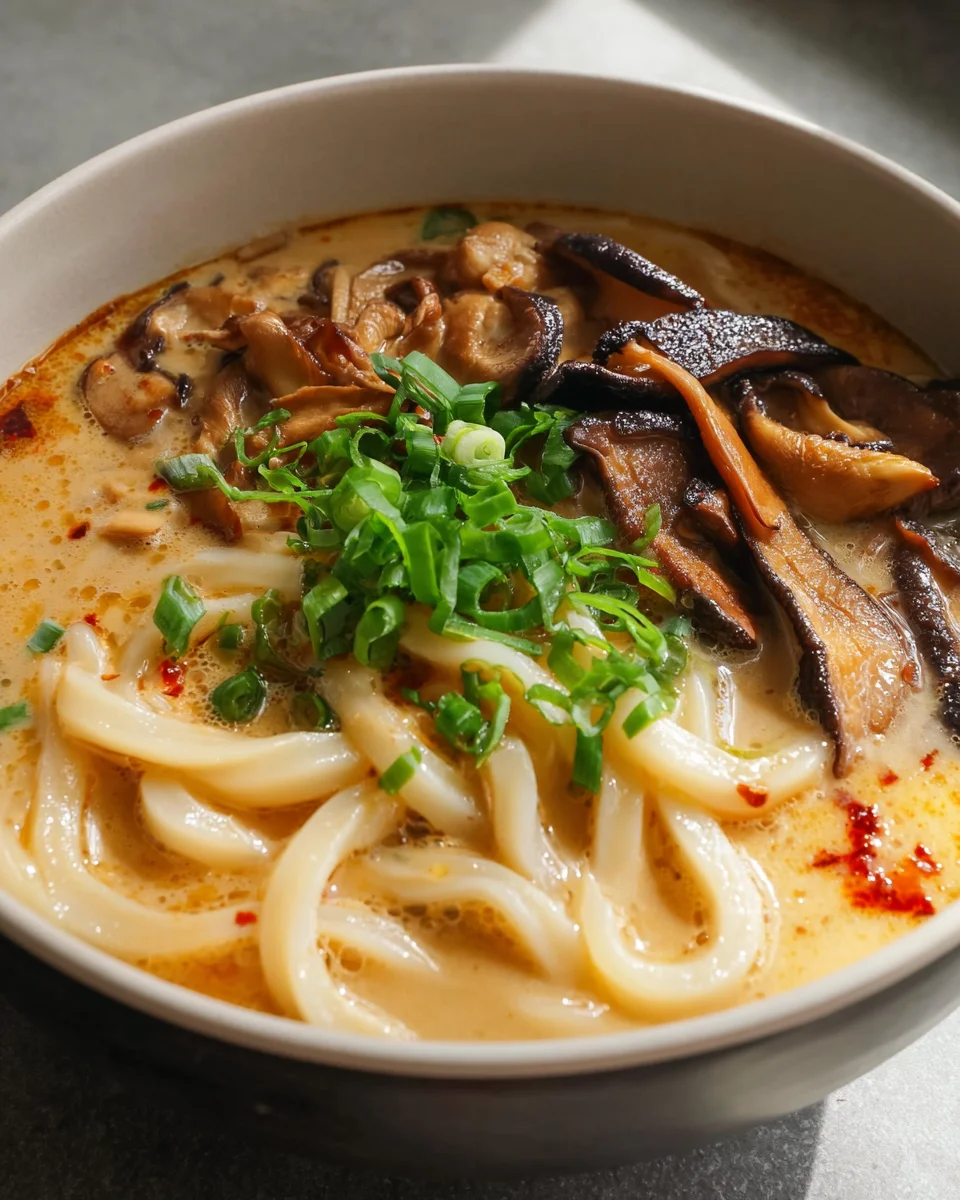
Conclusion:
So, there you have it! If you’ve been searching for a dish that effortlessly marries comfort with incredible flavor, that warms you from the inside out, and that genuinely excites your taste buds with every spoonful, then this recipe is an absolute non-negotiable for your culinary repertoire. I genuinely believe that once you try it, you’ll understand why it’s become such a cherished staple in my own kitchen. It’s more than just a meal; it’s an experience. The delicate yet profound umami of the miso, the satisfying chewiness of the udon noodles, and the vibrant freshness of the carefully selected vegetables all come together in a symphony of tastes and textures that is simply unparalleled. It’s comforting, nourishing, and surprisingly easy to whip up, making it perfect for a quick weeknight dinner or a leisurely weekend lunch. This isn’t just another recipe; it’s your next go-to for a truly satisfying and soul-enriching bowl.
What truly sets this Miso Udon Noodle Soup apart is its ability to deliver depth of flavor without complexity in preparation. The rich, savory broth, infused with the fermented goodness of miso, creates a foundation that is both hearty and incredibly soothing. It’s packed with nutrients, making it a wonderful choice for a healthy and fulfilling meal. I find myself craving its warmth and unique taste often, especially on cooler days, or anytime I need a little pick-me-up. The simple act of preparing and then savoring this soup is a small, delightful ritual that brings a lot of joy. Trust me, your kitchen will smell incredible, and your palate will thank you.
Now, for the fun part – how to serve and customize your masterpiece! While this soup is perfectly wonderful on its own, I love to elevate the experience with a few thoughtful additions. For an extra layer of flavor and crunch, try sprinkling a dash of toasted sesame seeds or a few drops of sesame oil just before serving. A side of perfectly pan-fried gyoza or some crispy spring rolls would complement the soup beautifully, creating a delightful contrast in textures. If you’re looking to make it even heartier, consider serving it with a simple, refreshing cucumber salad dressed with a light vinaigrette to cut through the richness. Remember, presentation matters too! A sprinkle of freshly chopped green onions or a vibrant slice of nori can turn a simple bowl into a stunning dish.
Endless Possibilities for Customization!
One of the things I adore most about this particular recipe is its incredible versatility. It’s a fantastic canvas for your culinary creativity. Don’t be afraid to experiment and make it truly your own! If you’re a fan of more protein, thinly sliced chicken breast, succulent shrimp, or pan-seared tofu cubes would be fantastic additions. For an extra boost of greens, wilted spinach, bok choy, or even some thinly sliced Napa cabbage can be stirred in during the last few minutes of cooking. Mushrooms of any kind – shiitake, cremini, or enoki – would also add another layer of earthy umami. Feeling a bit adventurous? A squeeze of lime juice at the end can brighten all the flavors, or a dash of chili oil will give it a wonderful kick if you like a bit of heat. Don’t limit yourself to just the vegetables listed; think about what’s fresh and in season, and let your imagination guide you. Perhaps some corn kernels for sweetness, or even some bamboo shoots for an interesting texture.
Your Turn: Share Your Miso Udon Noodle Soup Experience!
I genuinely hope you feel inspired to dive into your kitchen and give this incredible recipe a try. I promise you won’t be disappointed. There’s something so incredibly rewarding about creating a delicious, comforting meal from scratch, and this soup truly embodies that feeling. It’s a wonderful dish for sharing with loved ones, or simply enjoying a quiet moment of delicious indulgence all to yourself. Once you’ve made it, I would absolutely love to hear about your experience. Did you add any unique twists? What were your favorite parts? Please, don’t hesitate to share your thoughts, photos, and any delightful variations you come up with in the comments below. Your feedback and creativity inspire me and our whole community of home cooks. So grab your apron, gather your ingredients, and prepare to fall in love with your new favorite bowl of comforting goodness! Happy cooking!
Heartwarming Miso Udon Noodle Soup: Comfort in a Bowl
Miso Udon Noodle Soup—just uttering those words brings to mind a steaming bowl of comfort, rich with savory flavors and delightfully chewy noodles. Have you ever craved a dish that simultaneously warms your soul and excites your palate? This classic Japanese staple is precisely that. Rooted in centuries of Japanese culinary tradition, miso, a fermented soybean paste, offers an unparalleled depth of umami, while thick, satisfying udon noodles provide a delightful chewiness that makes every slurp a joy. I find myself reaching for this recipe often, especially when I need a moment of delicious solace.
Ingredients
Instructions
Important Information
Nutrition Facts (Per Serving)
It is important to consider this information as approximate and not to use it as definitive health advice.
Allergy Information
Please check ingredients for potential allergens and consult a health professional if in doubt.
Leave a Comment