

Duck Confit Recipe Beyond The Bayou Food Blog: Prepare to embark on a culinary journey that will elevate your home cooking to gourmet heights. If you’ve ever dreamt of serving a dish that looks incredibly impressive yet secretly requires more patience than complex technique, then you’ve come to the right place.
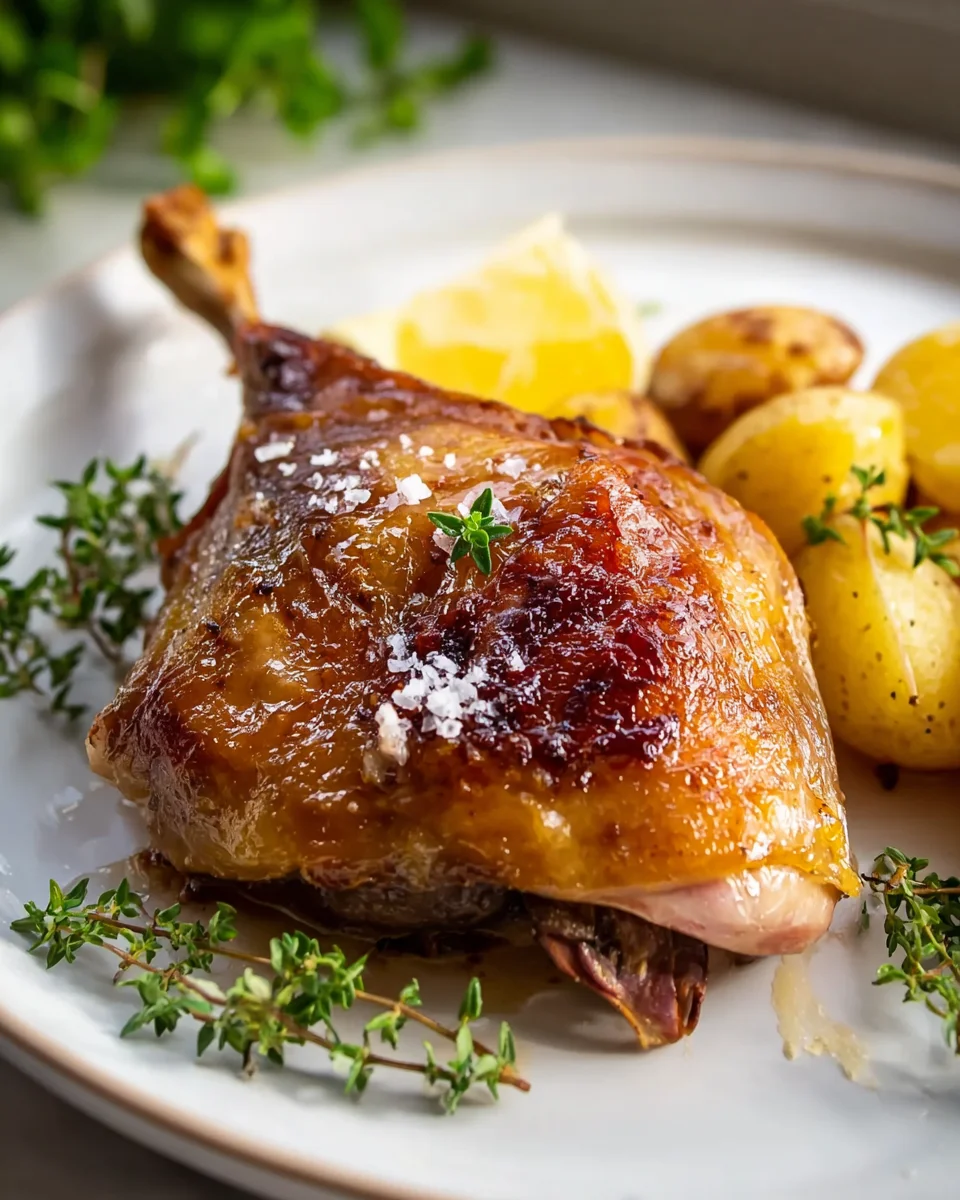
Imagine biting into a piece of duck, so tender it practically melts in your mouth, encased in a shatteringly crisp, golden skin bursting with flavor.
That, my friends, is the undeniable magic of duck confit. This legendary dish hails from the sun-drenched Gascony region of France, a testament to time-honored preservation techniques that transformed simple duck legs into a culinary marvel. Traditionally, confit was a practical method to preserve meat without refrigeration, slowly cooking it in its own rendered fat. Over centuries, it evolved from a rustic necessity into one of the most revered and iconic preparations in French cuisine, cherished by chefs and home cooks alike for its profound flavor.
People absolutely adore duck confit for its unparalleled richness and the incredible textural contrast it offers – the succulent, fall-off-the-bone meat paired with that irresistible, crispy skin. While it might sound intimidating, I promise you, creating this luxurious masterpiece at home is surprisingly accessible and incredibly rewarding. The process, though requiring a bit of time, is largely hands-off, allowing you to prepare a dish that tastes truly decadent. It’s the perfect centerpiece for a special dinner or holiday gathering, offering a depth of flavor that few other preparations can match, and it frequently becomes a cherished family favorite once experienced. Today, I am so excited to share my very own Duck Confit Recipe Beyond The Bayou Food Blog version with you, demystifying the steps to bring this quintessential French classic right into your kitchen.
Ingredients:
- 6-8 whole duck legs and thighs, bone-in, skin-on (approximately 3 to 3.5 pounds total)
- 2 tablespoons coarse sea salt (such as Sel Gris or Fleur de Sel)
- 2 teaspoons freshly cracked black pepper
- 6 large cloves garlic, peeled and thinly sliced
- 4-5 fresh thyme sprigs, leaves stripped and chopped (or 1 tablespoon dried thyme)
- 3 bay leaves, crumbled
- 1 teaspoon juniper berries, lightly crushed (optional, but highly recommended for depth)
- 8-10 cups rendered duck fat (or enough to completely submerge the duck legs in your chosen cooking vessel; you can buy this pre-rendered)
Preparing for the Cure: My Secret to “Beyond The Bayou” Flavor
- Prepare the Duck Legs: My journey to the perfect duck confit always begins with meticulous preparation of the duck legs themselves. Carefully inspect each duck leg. Using a sharp knife or kitchen shears, trim any excessive fat around the cavity opening and any loose skin. While you want some fat for rendering, too much can make the final product greasy. Be sure to leave the main layer of skin and fat intact on the leg and thigh portion; this is what makes confit so luscious. I also like to score the skin lightly, creating a crosshatch pattern, without cutting into the meat. This helps the curing mixture penetrate better and promotes even rendering of the fat later on. Pat the duck legs absolutely dry with paper towels. This step is critical: moisture is the enemy of a good cure and crispy skin. You want them as dry as a desert wind before you even think about the spices.
- Create the Curing Mixture: In a small bowl, combine your coarse sea salt, freshly cracked black pepper, thinly sliced garlic, chopped fresh thyme leaves, crumbled bay leaves, and the lightly crushed juniper berries. Mix these ingredients thoroughly. I often take a moment to gently bruise the garlic and thyme a bit with the back of a spoon to release their aromatic oils. This simple act amplifies the fragrance and ensures every piece of duck gets a burst of flavor. This fragrant blend is the heart of what makes my “Duck Confit Recipe Beyond The Bayou Food Blog” truly special. The juniper berries, while optional, add a subtle piney, almost gin-like note that beautifully complements the richness of the duck.
- Apply the Cure: Now for the hands-on part! Take one duck leg at a time and generously rub the curing mixture all over it. Make sure to get into all the nooks and crannies, especially under the flap of skin between the leg and thigh. Don’t be shy; you want a good, even coating. The salt will draw out moisture and begin the tenderizing process, while the herbs and spices infuse deep flavor into the meat. Once coated, place each duck leg into a large, non-reactive dish or a sturdy resealable plastic bag. If using a dish, cover it tightly with plastic wrap. If using a bag, press out as much air as possible before sealing.
The Essential Curing Process: Patience for Perfection
- Refrigerate and Cure: Transfer your duck legs, now generously coated with the flavorful cure, to the refrigerator. Allow them to cure for a minimum of 24 hours, but for the most profound flavor and texture, I recommend 36 to 48 hours. I find that this extended curing time is what truly sets this “Duck Confit Recipe Beyond The Bayou Food Blog” apart, allowing the salt and aromatics to fully penetrate the meat. During this time, the salt will pull moisture from the duck, firming up the flesh and concentrating its natural flavors. You might notice some liquid accumulating at the bottom of the dish or bag; this is perfectly normal and a sign the cure is working its magic.
- Turn Periodically (Optional but Recommended): While not strictly necessary, if you’re using a dish, I like to turn the duck legs once or twice during the curing period. This ensures even contact with the curing mixture and helps the flavors distribute uniformly. If you’re using a bag, a simple massage of the bag will suffice. This little extra step is part of my philosophy for getting every detail right.
- Prepare for the Next Stage: Once the curing time is complete, you’ll notice the duck flesh feels firmer and the skin might appear slightly tauter. This indicates that the curing process has been successful. The duck is now ready for the next crucial step before its slow swim in luscious duck fat.
Rinsing and Drying: The Key to Crispy Duck Confit
- Rinse the Duck Legs: After curing, it’s absolutely vital to rinse the duck legs thoroughly under cold running water. You want to remove all visible traces of the curing mixture – especially the salt and any clinging herbs or garlic. If you leave too much salt, your confit will be overly salty, masking the beautiful duck flavor we’ve worked so hard to develop. Rinse each leg individually, ensuring all surfaces are clean.
- Thoroughly Dry the Duck Legs: This step cannot be stressed enough; it is arguably the most important factor for achieving truly crispy duck skin later on. After rinsing, pat each duck leg vigorously and repeatedly with fresh paper towels until it is bone-dry. Then, I take it a step further: I like to place the duck legs on a wire rack set over a baking sheet and refrigerate them, uncovered, for another 12-24 hours. This allows the air to circulate around them, drawing out any residual moisture from the skin through evaporation. This extra drying time is a game-changer for that glorious, crackling skin when you finally crisp up your confit. Don’t skip this, trust me! Without a perfectly dry surface, the skin will steam rather than crisp when cooked, leading to a rubbery texture, and we definitely don’t want that for our “Beyond The Bayou” confit.
Slow Cooking to Confit Perfection: The Heart of This Duck Confit Recipe
- Preheat Your Oven and Prepare Your Pot: Preheat your oven to a low temperature, typically between 275°F and 300°F (135°C-150°C). I find 285°F (140°C) to be my sweet spot for a gentle, slow cook. Choose an oven-safe, heavy-bottomed pot or Dutch oven that is just large enough to hold all the duck legs in a single layer, snugly but not overly crowded. A pot that is too large will require significantly more duck fat, which can be costly.
- Arrange the Duck and Add Fat: Arrange the dried duck legs in your chosen pot, skin-side down first, then flip some so they are nestled tightly together. It’s okay if they overlap a little, as long as they are mostly submerged. Now, carefully pour the rendered duck fat over the duck legs. You need to add enough fat to completely cover the duck legs by at least an inch. If you don’t have enough rendered duck fat, you can often find it sold in tubs at specialty grocery stores or online. Alternatively, you can render your own from duck skin and trimmings beforehand. The duck fat acts as a protective, flavorful medium that slowly cooks the duck without frying it, preserving its moisture and creating that characteristic silky texture.
- Slow Cook in the Oven: Place the pot, uncovered, into your preheated oven. Let the duck confit slowly cook for 2 to 3 hours, or even up to 4 hours, depending on the size of your duck legs and your oven’s accuracy. The key is a very gentle simmer; you should see only tiny bubbles rising from the fat, never a rolling boil. If the fat is bubbling vigorously, your oven temperature is too high, and you risk frying the duck rather than confiting it. Reduce the temperature immediately if this happens.
- Check for Doneness: The duck is perfectly confited when the meat is incredibly tender and practically falling off the bone. You can test this by gently prodding a leg with a fork or by trying to pull a small bone. It should detach easily from the meat with very little resistance. The skin will be soft and gelatinous, not crispy, which is exactly what we want at this stage. The aromas filling your kitchen during this cooking process will be absolutely divine, a true highlight of making this “Duck Confit Recipe Beyond The Bayou Food Blog.”
Cooling and Storing Your Homemade Duck Confit
- Cool the Duck Legs in the Fat: Once cooked, carefully remove the pot from the oven. Let the duck legs cool completely in the duck fat at room temperature. This slow cooling process allows the meat to reabsorb some of the flavorful fat, further enhancing its texture and taste. As it cools, the fat will begin to solidify.
- Prepare for Storage: Once the duck and fat are cool enough to handle (but before the fat fully solidifies, as it will be easier to work with), carefully transfer the duck legs to clean, sterilized glass jars or an airtight container. Arrange the legs snugly but without squishing them.
- Cover with Fat for Preservation: Ladle the cooled, rendered duck fat over the legs in the jars, ensuring they are completely submerged by at least half an inch of fat. Make sure there are no air pockets around the duck legs, as air exposure can lead to spoilage. The fat acts as a natural seal, preserving the confit. If you have any solidified bits of rendered fat, you can melt them gently on the stovetop and pour them over.
- Refrigerate: Seal the jars or container tightly. Store your homemade duck confit in the refrigerator. Properly stored, submerged in fat, duck confit can last for several weeks, or even up to a month. For longer storage, you can freeze individual portions, still covered in fat, for several months. This long shelf-life is one of the magical aspects of the confit method, a traditional technique for preservation that still delights today.
Serving Your Delicious Duck Confit: Achieving that Golden Crisp
- Bring to Room Temperature (Important First Step): When you’re ready to enjoy your confit, remove the jar or container from the refrigerator about an hour before cooking. This allows the duck fat to soften, making it much easier to extract the duck legs. If the fat is too hard, you can gently warm the bottom of the container in a bowl of warm water for a few minutes to loosen it. Carefully scrape off any solidified fat clinging to the duck legs. Save this fat for future cooking; it’s liquid gold for roasting potatoes or vegetables!
- Crisp Up the Duck Legs (Pan-Frying Method): This is my preferred method for achieving that irresistible crispy skin. Place a large heavy-bottomed skillet (cast iron works wonderfully) over medium-low heat. Add just a tablespoon or two of the reserved duck fat, or if you prefer, you can render a little fat directly from the duck skin in the pan. Place the duck legs skin-side down in the cold or lukewarm pan. This allows the fat to slowly render out of the skin and crisp up gradually. Cook for 10-15 minutes, or until the skin is deeply golden brown and wonderfully crisp. Flip the legs and cook on the meat side for another 5-7 minutes to warm the meat through completely.
- Crisp Up the Duck Legs (Oven Roasting Method): If you’re making a larger batch or prefer a hands-off approach, preheat your oven to 400°F (200°C). Place the duck legs, skin-side up, on a wire rack set over a baking sheet. Roast for 15-20 minutes, or until the skin is beautifully golden and crisp and the meat is heated through. This method is fantastic for ensuring even crisping across the entire skin surface.
-
Rest and Serve: Once crispy and heated through, let the duck legs rest for a few minutes before serving. This allows the juices to redistribute, ensuring every bite is succulent.
What to serve with your “Duck Confit Recipe Beyond The Bayou Food Blog”? I love it simply with a fresh green salad tossed in a sharp vinaigrette to cut through the richness, or with some perfectly roasted potatoes cooked in that glorious duck fat. Steamed green beans or a spoonful of sweet onion jam also make excellent companions.
Chef’s Notes and Pro Tips for Your Duck Confit Recipe Beyond The Bayou Food Blog:
Achieving truly magnificent duck confit is an art form, but one that is wonderfully accessible with a little patience and attention to detail. Here are some of my final thoughts and tips to ensure your confit is nothing short of spectacular, worthy of any “Beyond The Bayou” celebration:
- Quality of Ingredients: Always start with the best quality duck legs you can find. Pasture-raised or heritage breeds often have a better fat-to-meat ratio and superior flavor. The quality of your coarse sea salt also matters; a fine table salt will be too intense, so stick with coarse varieties. Fresh herbs, particularly thyme, truly make a difference in the aromatic profile.
- Don’t Skimp on Duck Fat: While it might seem like a lot of fat, it’s essential for the confit process. The fat is both the cooking medium and the preservation agent. You can reuse the duck fat left over from confiting several times. Simply strain it through a fine-mesh sieve or cheesecloth after it cools to remove any meat bits or impurities, then store it in the refrigerator. It gains more flavor with each use! This reusable fat makes the initial investment worthwhile.
- Temperature Control is Key: The low and slow cooking temperature is critical. Too hot, and you’ll fry the duck; too cold, and it won’t cook properly. Investing in an oven thermometer to verify your oven’s actual temperature can be very helpful. The fat should just barely shimmer and show tiny bubbles, not boil rapidly. This gentle heat is what transforms the tough connective tissues into a gelatinous, melt-in-your-mouth texture.
- Flavor Variations: While my core recipe is classic, feel free to experiment with the curing spices. A pinch of ground star anise or a few crushed Sichuan peppercorns can add an exciting twist. A touch of orange zest in the cure can also introduce a lovely bright note that pairs beautifully with duck. This is your kitchen, so don’t be afraid to personalize your “Duck Confit Recipe Beyond The Bayou Food Blog” to your taste!
-
Troubleshooting:
- Too Salty Confit: This usually means you didn’t rinse enough of the cure off. Next time, be more thorough with rinsing. You can sometimes salvage slightly salty confit by serving it with unsalted accompaniments or a very sweet chutney.
- Rubber Duck Skin: This is almost always due to insufficient drying before cooking or not getting the pan hot enough when crisping. Remember: dry, dry, dry! And start skin-side down in a cold pan over medium-low heat for slow rendering.
- Dry Meat: If your duck meat is dry, it was likely overcooked or cooked at too high a temperature, causing too much moisture loss. Ensure your oven temperature is accurate and that the duck is just tender, not falling apart into shreds, when you remove it from the confit process.
- Embrace the Process: Duck confit is not a quick meal, but it is incredibly rewarding. The multi-stage process builds layers of flavor and texture that are simply unparalleled. Enjoy the journey, from the aromatic cure to the final, crispy bite. It’s a culinary adventure that brings incredible satisfaction and a truly impressive dish to your table.
Conclusion:
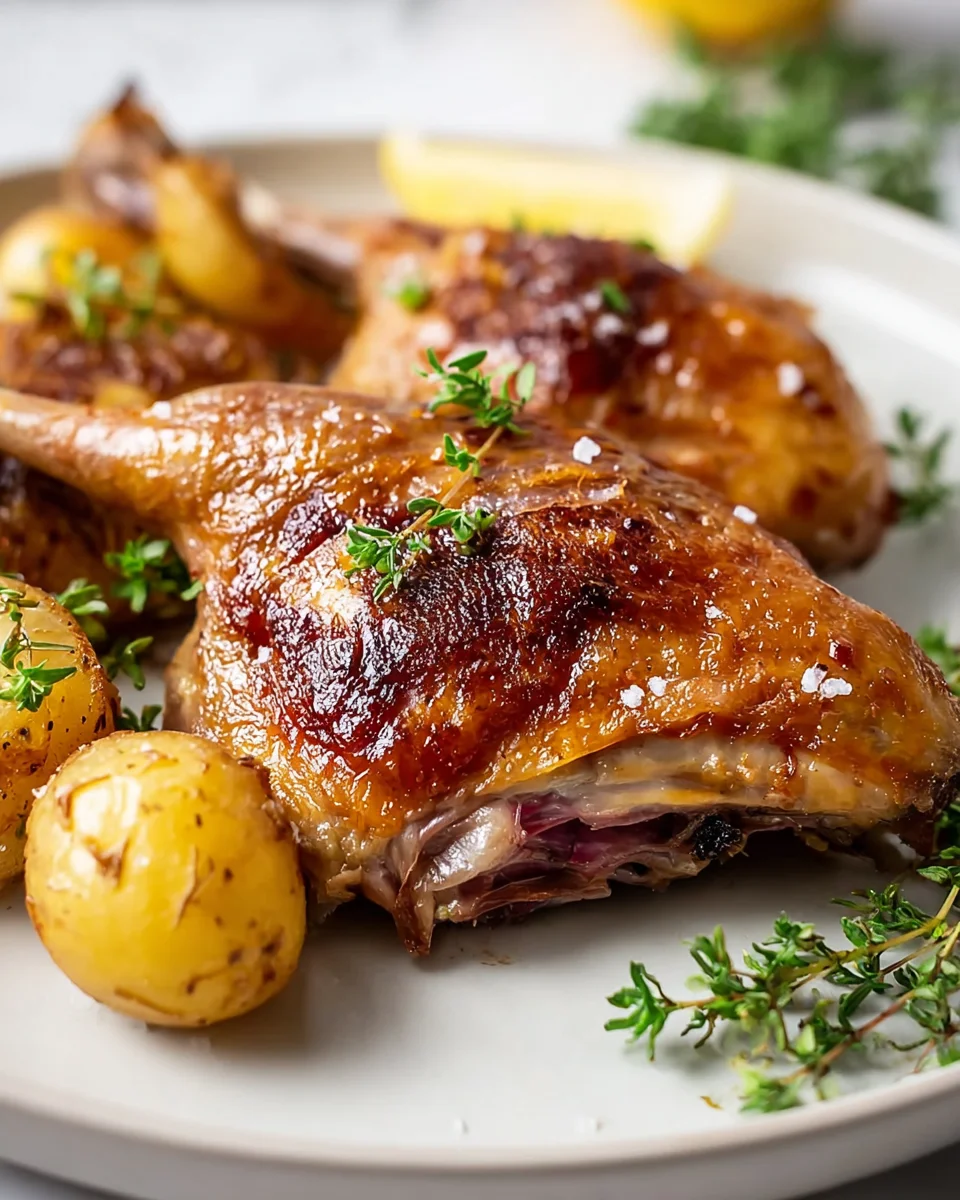
If you’ve journeyed with me through every step of this culinary adventure, you now understand that making duck confit at home is not just cooking; it’s an experience, a delightful journey into the heart of French gastronomy that is surprisingly accessible. This isn’t just another recipe to tick off your list; it’s an opportunity to create something truly magnificent, something that transcends the ordinary and delivers an unparalleled depth of flavor and texture. The rich, tender meat, falling off the bone, encased in a shatteringly crisp, golden skin, is nothing short of magical. It’s the kind of dish that makes you close your eyes and savor every single bite, a testament to the beauty of slow cooking and simple, quality ingredients. You’ll find immense satisfaction in transforming humble duck legs into a masterpiece, and the pride you’ll feel when presenting this dish to family and friends is immeasurable. This recipe isn’t just about feeding hungry bellies; it’s about feeding the soul and creating unforgettable dining memories.
Now that your incredible duck confit is ready, the possibilities for serving are wonderfully diverse. For a truly classic and utterly satisfying experience, I always recommend pairing it with a simple side of duck fat roasted potatoes. Imagine those golden, crispy spuds, infused with the savory essence of the duck, alongside a vibrant, peppery frisée salad dressed with a sharp Dijon vinaigrette. The bright acidity of the salad perfectly cuts through the richness of the duck and potatoes, creating a harmonious balance that is truly divine. This traditional pairing is a foolproof way to highlight the confit’s incredible flavor profile.
But don’t stop there! Duck confit is incredibly versatile and lends itself beautifully to more contemporary applications. Think outside the box and consider shredding the succulent meat to create the most decadent duck confit tacos, perhaps with a tangy slaw and a hint of chipotle crema. Or, for a sophisticated appetizer, pile it onto toasted crostini with a dollop of fig jam or a sprinkle of fresh herbs. It also makes for an extraordinary sandwich filling, especially when paired with caramelized onions and a robust cheese. For a comforting and elevated brunch, shred it into a potato hash with a perfectly fried egg on top. You could even incorporate it into a pasta dish, tossing the shredded duck with a light cream sauce and wild mushrooms, or use it as a luxurious topping for a homemade pizza. The robust flavor of the duck stands up to a variety of accompaniments, from braised red cabbage and sweet cherry or plum compotes to earthy lentil salads and creamy parsnip purees. Don’t forget a good beverage pairing; a robust Pinot Noir, a full-bodied Syrah, or even a rich craft stout would complement the confit beautifully.
I truly hope you feel inspired and empowered to try this amazing `Duck Confit Recipe Beyond The Bayou Food Blog`. Don’t let the multi-day process intimidate you; much of it is hands-off, and the reward far outweighs the effort. This is a journey of patience, a labor of love that results in one of the most sublime dishes you’ll ever make at home. It’s a truly rewarding culinary endeavor that will elevate your cooking skills and impress everyone lucky enough to taste it. Once you’ve created your own batch of this golden goodness, I would absolutely love to hear about your experience! Please share your thoughts in the comments section below, tell me about your chosen serving suggestions, or even better, snap a photo and share it on social media, tagging us so I can see your magnificent creations. Your stories and successes inspire me, and I can’t wait to celebrate your delicious achievements. Go ahead, embark on this delicious adventure; you won’t regret it!
Beyond The Bayou Duck Confit Recipe – Southern Comfort
Prepare to embark on a culinary journey that will elevate your home cooking to gourmet heights. If you’ve ever dreamt of serving a dish that looks incredibly impressive yet secretly requires more patience than complex technique, then you’ve come to the right place.
Ingredients
Instructions
Important Information
Nutrition Facts (Per Serving)
It is important to consider this information as approximate and not to use it as definitive health advice.
Allergy Information
Please check ingredients for potential allergens and consult a health professional if in doubt.
Leave a Comment